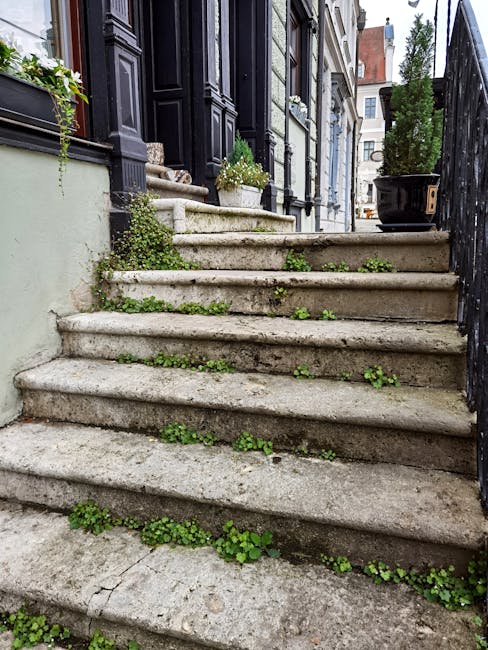
Common access problems for Alperton gardeners in tight terraces
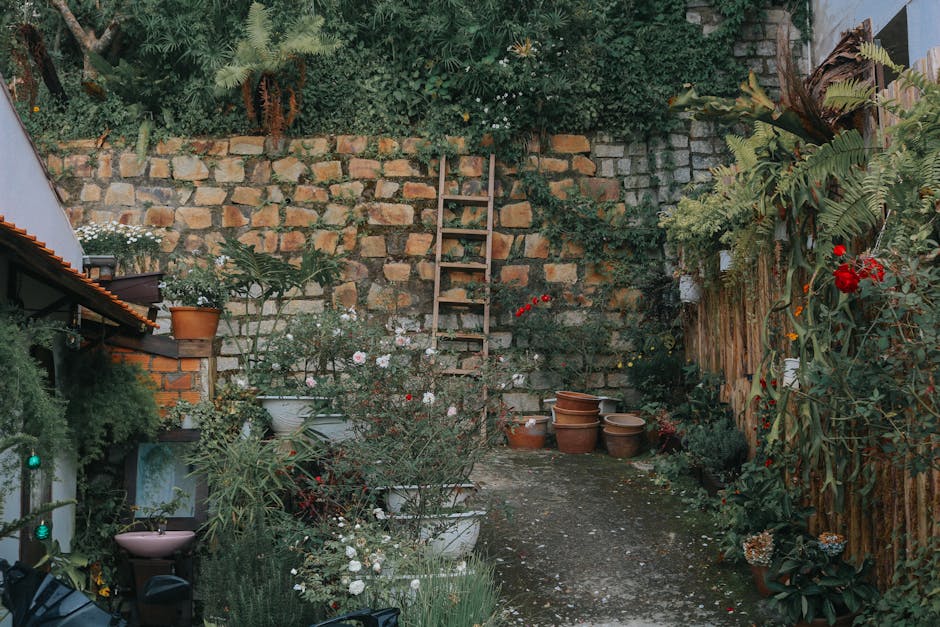
Tight terrace gardens can be deceptively tricky. On paper, they look small and straightforward; in real life, they often come with narrow side access, awkward steps, shared passages, low gates, and not quite enough room to turn a wheelbarrow without performing a small miracle. If you are dealing with Common access problems for Alperton gardeners in tight terraces, you are not alone. These are the kinds of spaces where a good garden plan matters almost as much as the planting itself.
This guide breaks down the access bottlenecks that matter most, how they affect work in a terrace garden, and what practical fixes usually make the biggest difference. We will also look at tools, working methods, compliance, and the sorts of improvements that turn a cramped plot into a manageable one. A little planning goes a long way here. Sometimes, honestly, it is the difference between a job feeling calm and one feeling like a weekly obstacle course.
Why Common access problems for Alperton gardeners in tight terraces Matters
Access is not a side issue in terrace gardening; it shapes nearly everything. If a gardener cannot get materials in safely, move waste out efficiently, or work without constantly dodging tight corners, the whole job becomes slower and more expensive. In a compact Alperton terrace, that may mean less time spent improving the garden and more time spent simply getting to it.
That matters for the obvious reasons, but also for the hidden ones. Restricted access can affect how much a gardener can carry, which tools are practical, whether a job needs extra labour, and how much disruption the household will feel during the work. Even a simple task like hedge trimming or patio cleaning can become fiddly if the route to the rear garden is narrow, shared, or poorly surfaced.
There is also a lifestyle angle. Many terrace owners want low-maintenance gardens, privacy, better storage, and usable outdoor space. Yet those ambitions only work when the access route supports the plan. For example, a smart layout from backyard landscaping ideas and tips for beginners can help, but it still needs a realistic approach to movement through the property. Otherwise, the garden looks lovely on paper and awkward on the day-to-day.
Key takeaway: in tight terraces, access is not just about convenience. It affects safety, cost, timing, plant health, and how maintainable the garden will feel six months later.
How Common access problems for Alperton gardeners in tight terraces Works
Most access problems in terrace gardens fall into a few familiar categories. The layout may be narrow, the entry point may be shared with neighbours, or there may be steps, railings, side alleys, and uneven paving that make movement awkward. Sometimes the issue is not width alone, but the combination of width, turning space, and surface quality. One small obstacle on its own is manageable; three together, and it starts to feel like a logistics problem.
In practical terms, a gardener usually has to think in layers: can people get in, can tools get in, can materials get in, and can waste get out again? That is the real test. A terrace might technically be accessible, but if bags of soil have to be carried one by one through a kitchen, or if a mower cannot be transported without scraping walls and doorframes, the workflow is still poor.
Access also affects how a garden is designed from the outset. This is where smart planning makes a big difference. A gardener may lean towards modular solutions, compact tools, vertical planting, and container schemes rather than oversized borders or heavy hard landscaping. You will notice this especially in gardens that need frequent maintenance. Lower-friction layouts save real time.
If the access route is a challenge because of dense planting, climbing vines, or an overgrown boundary, that can be dealt with too. Issues like ivy or hedge encroachment often create a physical bottleneck before the actual garden work even starts. In those situations, a service such as effective ivy eradication tactics that work or hedge trimming Alperton may be relevant, because clearing the access line can be the first real job, not the last.
Key Benefits and Practical Advantages
Solving access problems in a terrace garden is not just about making work easier for the gardener. It creates knock-on benefits for the whole household.
- Faster maintenance: less time is lost carrying tools, navigating tight turns, or reorganising materials halfway through the job.
- Lower disruption: fewer trips through the house, less mud in the hall, less noise, and less disturbance for neighbours.
- Better safety: reduced trip risks, fewer strain injuries, and less chance of damaging property while carrying heavy items.
- Improved garden design choices: once access is understood, the layout can be tailored to fit real working conditions rather than wishful thinking.
- More predictable costs: when access is clear from the beginning, quotes tend to be more accurate and jobs are easier to schedule.
There is another benefit that gets overlooked. Good access makes it much more likely that the garden will actually be maintained properly over time. A beautiful terrace space that is hard to reach often ends up neglected. A slightly simpler design with better movement paths usually survives the busy weeks far better. Truth be told, maintenance is often won or lost at the gate.
That is why low-maintenance ideas can be so effective in tight spaces. A well-chosen surface, compact planting, and clear circulation routes all reduce friction. For a useful starting point, the article on cost-saving low-maintenance garden ideas fits this mindset nicely, especially if you want a garden that remains realistic rather than demanding.
Who This Is For and When It Makes Sense
This topic matters to a surprisingly wide group of people. If you live in a Victorian terrace, a converted property with a shared passage, or a compact courtyard-style garden, access problems are probably already part of your setup. The same applies if you rent, own, or manage a property where work must be done with care because neighbours are close by and there is little room for equipment.
It is also relevant if you are planning a refresh rather than a full rebuild. Small improvements, such as rethinking the path from house to garden, can have a big effect on how maintainable the space becomes. Gardeners, landscapers, and homeowners all benefit from asking the same question early: how will this garden actually be worked on?
Access planning makes particular sense when any of these apply:
- materials must pass through a narrow house or side alley
- the garden is at the rear of a terrace with no direct vehicle access
- there are steep steps, tight corners, or uneven paving
- heavy pruning, turf work, or soil removal is likely
- you want regular maintenance rather than one-off tidy-ups
It is also useful for families and pet owners. A garden that is hard to access tends to accumulate clutter faster, and that can become annoying or even unsafe. For households thinking about dogs, children, or busy shared spaces, the layout needs to work under real-world pressure. Small yard, big life. That is the situation, really.
Step-by-Step Guidance
Here is a practical way to think through access problems before any work begins.
- Map the route. Walk from the street to the garden with a critical eye. Note gate widths, door thresholds, bends, steps, and any low-hanging obstacles.
- Measure the pinch points. A quick tape measure check can reveal whether wheelbarrows, sack trucks, or longer tools will fit without damage.
- Identify the heaviest items. Soil, paving slabs, timber, and mature plants are the items most likely to create problems. Light pruning debris is rarely the issue; bulk waste is.
- Decide what must be carried and what can be assembled on site. Modular fencing, container displays, and smaller batch deliveries often reduce stress enormously.
- Check the surface quality. Slippery paving, loose gravel, broken steps, or poor lighting all slow work down and raise the risk of accidents.
- Plan waste removal early. A tidy collection route matters as much as the delivery route. Nobody wants piles of green waste sitting in a narrow hallway on a wet afternoon.
- Match the design to the access. If the route is awkward, choose planting and materials that suit a compact working environment. That may include containers, lighter mulches, or smaller-format hard landscaping.
A simple example: if a terrace has a side passage that is just wide enough for one person, then a project involving large slabs or oversized rolls of turf may be impractical unless the job is broken into stages. In that sort of setting, container planting from the container gardening revolution can be a much smoother fit, because the work is easier to bring in, position, and manage.
And if the route itself is part of a deeper redesign, then it can help to think wider than access alone. Some terrace gardens benefit from a complete layout rethink, especially where circulation, seating, and storage all compete for the same small footprint. The guidance in designing a delightful makeover for your neglected garden is a good reminder that structure matters as much as plants.
Expert Tips for Better Results
In our experience, the best terrace projects are rarely the most dramatic ones. They are the ones that make movement easier. Simple as that.
- Keep the first metre clear. The entrance zone should be as uncluttered as possible. That makes every visit easier.
- Choose lighter materials where possible. Not every job needs oversized elements. Smaller pavers, modular edging, and manageable planting containers often make life easier.
- Work in stages. If access is tight, split the job into delivery, clearance, groundwork, and finishing visits.
- Protect surfaces before moving anything heavy. Boards, mats, or simple runners can prevent scratches and chips. A bit old-school, but it works.
- Think vertically. When ground space and movement are limited, vertical gardening can give you more growing room without creating more traffic problems.
Vertical design is particularly useful in terraces where the floor area is too precious to waste. Wall planters, climbers, and slim planting systems often unlock a lot of value. The article on vertical gardening innovations is a useful companion read here.
Another practical tip: do not underestimate the value of seasonal plant selection. In a terrace with awkward access, winter jobs become a headache if your planting scheme is messy or overgrown. A resilient planting plan, backed by sensible winter preparation, reduces the number of emergency access problems you face later. For that angle, crafting a winter sanctuary for your garden's plants has useful ideas.
Lastly, check pruning and boundary growth before the main job starts. A hedge that leans into a narrow passage can turn a simple maintenance visit into a squeeze. If you are already dealing with that, hedge trimming artistry may be worth exploring.
Common Mistakes to Avoid
Most access issues get worse because someone assumes they will be manageable later. That is a risky habit in tight terraces. A few common mistakes show up again and again.
- Forgetting the return journey: people plan how materials will go in, but not how waste will come out.
- Buying oversized materials too early: big slabs, bulk compost, and heavy fixtures can look efficient until they have to pass through a narrow entrance.
- Ignoring neighbour boundaries: shared access or close walls need care and communication. It is not just courtesy; it avoids complications.
- Underestimating trip hazards: hoses, tools, bags, and loose debris create danger quickly in tight spaces.
- Designing for the photo, not the route: pretty layouts are great. But if every maintenance visit is a faff, the garden will suffer.
A very common issue is hedging or climbing growth gradually swallowing the access line. It tends to happen slowly, so nobody notices until a ladder, trug, or mower no longer fits through properly. Likewise, ivy can creep into edges and reduce workable space in a way that feels minor at first and annoying later. That is one reason guides like effective ivy eradication tactics that work are so useful for compact plots.
Another mistake is trying to solve access problems with more stuff. More pots, more tools, more features. Sometimes less is the clever move. A terrace garden needs breathing room, even if it is only a sliver of it.
Tools, Resources and Recommendations
The right tools do not solve every access challenge, but they can reduce effort a lot. For tight terraces, usefulness matters more than brute strength.
| Tool or approach | Best use | Why it helps in tight terraces |
|---|---|---|
| Compact hand tools | Pruning, weeding, planting | Easier to carry through narrow routes and store neatly |
| Folding or narrow wheelbarrow | Waste and soil movement | Better for restricted turning space than bulkier equipment |
| Container systems | Planting and display | Less excavation and easier repositioning |
| Protective boards or mats | Surface protection | Reduces scuffs and damage while moving heavy items |
| Vertical supports and trellis | Growing upwards | Saves floor space and helps keep circulation clearer |
For planting ideas that work well when ground space is tight, try top-tier ground cover plants for lower areas and evergreen climbers for shady spots where vertical interest is needed. These are especially handy in terraces where every square metre has to earn its keep.
If privacy is part of the brief, a carefully chosen hedge can do a lot without swallowing the garden. The challenge is to balance enclosure with access. That is where planning matters. A useful starting point is fast-track your garden privacy with these growing hedges. It is not about planting more, just planting smarter.
For general maintenance and practical support, pages such as garden maintenance, lawn care, and lawn mowing can be useful entry points if you are comparing what kind of help you actually need. If you are looking at harder surfaces, patio cleaning can also be relevant, because a clean, even surface improves safe access more than people sometimes realise.
Law, Compliance, Standards, or Best Practice
For terrace access, the main concern is not usually legal complexity. It is more about sensible practice, safety, and neighbourly care. That said, there are a few things worth keeping in mind.
First, if work involves shared access, boundaries, ladders, heavy lifting, or movement through communal or private routes, it should be planned carefully to avoid damage or obstruction. A good contractor will think about safe movement, manual handling, and how to keep the property reasonably protected during the work. That is part of basic professional practice, not a bonus.
Second, if access routes are narrow or uneven, good housekeeping matters. Keeping routes clear, managing tools properly, and avoiding trip hazards are all common-sense standards. The same applies to storage of chemicals, sharp tools, and waste. The health and safety policy and insurance and safety information can help reassure homeowners who want a more responsible approach.
Third, if a project involves fencing, trees, or larger structural changes, it is wise to consider any boundary or access implications before starting. For example, tree work in a confined terrace may need more planning than a larger open plot. The same is true for boundary features like fences. If you need those areas handled, the pages for tree surgery and fencing are relevant from a practical viewpoint.
Best practice in this setting is simple: plan access before labour begins, protect the property, communicate clearly, and choose methods that reduce risk rather than increasing it. No drama, just good working habits.
Options, Methods, or Comparison Table
Not every access problem needs the same solution. Sometimes a small adjustment is enough. Sometimes the right answer is a complete rethink of how the garden is used.
| Approach | Best for | Strengths | Limitations |
|---|---|---|---|
| Clear and maintain the existing route | Gardens with minor clutter or light overgrowth | Cost-effective, quick, minimal disruption | Does not solve layout issues |
| Switch to smaller tools and staged delivery | Narrow passages and awkward steps | Flexible, safer, easier to manage | Can take longer overall |
| Use containers and vertical planting | Very small terraces | Good use of space, easier access, lower soil movement | May require more watering |
| Redesign circulation and hard landscaping | Gardens needing a long-term fix | Most effective for ongoing usability | More planning and usually more investment |
For many Alperton terraces, a mixed method works best. Clear the bottleneck, simplify the planting, and then decide whether the layout needs a deeper change. If you are at the early idea stage, the future is green with vertical gardening innovations and the container gardening revolution can help you weigh up low-footprint options.
Case Study or Real-World Example
Picture a narrow rear terrace in Alperton with a shared side path, a slightly uneven step down into the garden, and a small storage shed tucked at the back. The homeowner wanted better planting, a cleaner patio, and a space that would be easy to keep up. At first glance, the wish list seemed modest. The access, though, was the real story.
The first problem was waste movement. Green waste could not be piled up near the gate because it blocked the only sensible route in and out. The second problem was material delivery. A full pallet-style approach would have caused more disruption than the garden could handle. So the work plan shifted. Materials were broken into smaller loads, the access route was cleared before any big job began, and the planting scheme was simplified to use containers and smaller structural elements.
The result was not flashy, but it was effective. The garden became easier to move through, easier to maintain, and less stressful to work in. The patio could be cleaned without dancing around obstacles, and the planting felt more intentional. That is the quiet win in terrace work. Not fireworks. Just a garden that behaves properly.
In a similar setting, a neglected plot can sometimes be transformed by starting with access rather than features. If the space has become overrun, the article on designing a delightful makeover for your neglected garden gives a good sense of how to think in stages rather than trying to fix everything at once.
Practical Checklist
Use this as a quick pre-work check for tight terrace gardens.
- Measured the narrowest gate, doorway, or passage
- Checked for steps, slopes, or uneven paving
- Identified where materials will enter and exit
- Decided where waste will be stacked temporarily
- Confirmed if any items need to be carried by hand only
- Cleared obvious obstructions from the access route
- Protected indoor floors and outdoor surfaces
- Checked whether neighbours need advance notice
- Chose tools that suit narrow movement spaces
- Reviewed whether the garden layout itself should change
If you are thinking about broader improvements, it may also help to compare services and budgets early. The pages on pricing and quotes and gardening services can help you frame that conversation without rushing into the wrong scope of work.
Get a free quote today and see how much you can save.
Conclusion
Common access problems for Alperton gardeners in tight terraces are rarely glamorous, but they are hugely important. Once the route into the garden is understood properly, everything else becomes easier: planning, lifting, planting, pruning, cleaning, and keeping the place tidy over time. That is the real value here.
If your terrace feels cramped, the answer is not always bigger equipment or a more ambitious design. Often it is a calmer, clearer system that respects the limits of the space. Clear the route, reduce the clutter, choose the right materials, and build the garden around how it will actually be used. Simple advice, yes, but it works.
And if the garden is beginning to feel like it is winning the argument, that is usually the sign to step back, simplify, and start again with access in mind. You do not need perfection. Just a garden that is pleasant to reach, pleasant to maintain, and pleasant to live with. That is enough.
Frequently Asked Questions
What are the most common access problems in tight terrace gardens?
The most common issues are narrow side passages, small gates, awkward steps, shared access routes, and limited turning space for tools or materials. In many terraces, the problem is less about one obstacle and more about several small ones adding up.
Why does access matter so much for gardeners in Alperton terraces?
Because access affects safety, speed, cost, and what kind of work can realistically be done. If gardeners cannot move comfortably between the house and the garden, even simple jobs become slower and more disruptive.
Can a garden still be improved if the access is very narrow?
Yes, absolutely. It just needs a smarter approach. Smaller tools, staged delivery, container planting, vertical growing, and simpler hard landscaping often work much better than bulky designs.
How do gardeners usually deal with waste in restricted-access gardens?
They plan a waste route before starting, break jobs into smaller stages, and keep temporary waste storage out of the way. In very tight spaces, removing waste little and often is usually easier than trying to clear everything at the end.
Is container gardening better for terrace access problems?
Often, yes. Containers are easier to carry, position, and rework than large in-ground schemes. They also reduce digging and can make maintenance more manageable when access is limited.
What should I measure before asking for garden work in a terrace?
Measure gate widths, passage widths, step depths, the height of any overhead obstacles, and the tightest turning points. It also helps to know whether materials can be carried straight through or whether they need to be broken down first.
Can overgrown hedges or ivy cause access problems?
Very much so. Dense planting can reduce the usable width of a passage or gate, and ivy can creep into edges, fences, and corners. Clearing growth early often makes the rest of the job far easier.
What tools are best for small terrace gardens?
Compact hand tools, slim wheelbarrows, folding equipment, protective mats, and vertical supports are often the most practical choices. Big, heavy, awkward tools are usually more trouble than they are worth in tight spaces.
Do access problems affect the price of garden work?
They can. Tight access may mean more labour, more time, or staged deliveries, all of which can affect the quote. Clear details from the start help keep pricing realistic.
Should neighbours be told before work starts in a shared terrace access route?
Usually, yes. It is sensible and courteous, especially if materials, waste, or tools might briefly affect shared areas. A quick heads-up can prevent a lot of avoidable friction.
What is the safest way to improve a terrace with difficult access?
The safest route is to clear the access line first, protect surfaces, work in manageable stages, and avoid forcing oversized materials through tight spaces. If something feels like a squeeze, it probably is.
Where should I start if my terrace garden feels too awkward to manage?
Start with the access route. Walk it, measure it, clear it, and identify the worst pinch points. Once you know where the bottleneck is, the rest of the plan becomes much clearer.