Alperton Station garden maintenance guide for gardeners
If you garden near Alperton Station, you already know the rhythm of the place: busy pavements, compact plots, a fair bit of dust and shade in pockets, and weather that can turn a tidy border into a scruffy one almost overnight. This Alperton Station garden maintenance guide for gardeners is designed to help you keep gardens looking healthy, manageable, and genuinely welcoming without wasting time on jobs that do not move the needle. It is practical, local in feel, and focused on what works in a real West London setting.
Whether you are maintaining a small front garden, a shared outdoor space, a rental property, or a larger family plot, the basics are the same: protect the structure, keep growth under control, and support plants through the seasons. Simple enough in theory. In practice, not always. So let's break it down properly.
Table of Contents
- Why Alperton Station garden maintenance guide for gardeners matters
- How the maintenance approach works
- Key benefits and practical advantages
- Who this is for and when it makes sense
- Step-by-step guidance
- Expert tips for better results
- Common mistakes to avoid
- Tools, resources and recommendations
- Law, compliance, standards, or best practice
- Options, methods, or comparison table
- Case study or real-world example
- Practical checklist
- Conclusion
- Frequently asked questions
Why Alperton Station garden maintenance guide for gardeners Matters
Gardens around transport corridors tend to face a slightly awkward mix of conditions. There can be more wind exposure, more footfall, more soot and grime on hard landscaping, and less patience for messy edges. If you have ever looked at a border in early spring and thought, "It was fine last month, so what happened?" - well, that is exactly the sort of reality this guide addresses.
Maintenance matters because gardens do not fail all at once. They drift. A few weeds, a missed hedge trim, a patch of compacted soil, one overwatered container, and suddenly the whole space looks tired. Good maintenance prevents that drift. It also protects plant health, improves kerb appeal, and makes every future job quicker.
For local gardeners, there is another layer: the garden should work for the site, not against it. Near Alperton Station, that usually means choosing reliable planting, keeping pathways safe, managing privacy sensibly, and staying on top of regular cleanup. If your outdoor area is part of a family home, rental property, or small business frontage, a steady maintenance routine is often more valuable than occasional dramatic work.
Key takeaway: the best garden maintenance is not the flashiest. It is the kind that quietly keeps your space healthy, presentable, and easy to manage all year round.
How Alperton Station garden maintenance guide for gardeners Works
The maintenance approach is straightforward: inspect, prioritise, and repeat. A well-run garden does not depend on one big clean-up. It depends on smaller, timely interventions that stop problems building up.
In practical terms, the work usually falls into four layers:
- Routine care such as mowing, edging, deadheading, watering, and weeding.
- Seasonal care such as pruning, mulching, planting, and frost protection.
- Structural care such as hedge trimming, tree checks, patio cleaning, and fence upkeep.
- Resilience care such as soil improvement, pest control, and storm/wind preparation.
That structure is useful because not every job has the same urgency. A dry patch in a lawn can wait a day or two. A loose branch over a path cannot. A trail of ivy creeping behind a fence? Best tackled early. If you want a deeper look at keeping growth under control, effective ivy eradication tactics that work is worth reading alongside this guide.
Maintenance also works best when matched to the site. Shady gardens need different decisions from sun-baked ones. Tight courtyards need different plant choices from open rear gardens. A lot of the success comes down to noticing what the garden is telling you. Slightly old-fashioned advice, maybe, but true.
Key Benefits and Practical Advantages
Good garden maintenance is not just about looks. Yes, neat edges and healthy planting matter, but the benefits go further.
| Benefit | What it means in practice | Why it helps near Alperton Station |
|---|---|---|
| Better plant health | Dead material removed, pests spotted early, soil kept in better shape | Plants cope more reliably with busy urban conditions |
| Improved appearance | Trimmed hedges, clean patios, tidy borders | Front and rear spaces look cared for, not neglected |
| Lower long-term costs | Problems are fixed before they become major jobs | Less chance of expensive remedial work later |
| Safer outdoor spaces | Clear paths, reduced trip hazards, controlled growth | Useful for families, tenants, and visitors |
| More usable space | Seating areas and planting beds stay functional | Even small gardens feel bigger and calmer |
There is also a practical emotional benefit, and I think people underestimate this. A tidy garden changes how you use the space. You sit outside a bit more. You notice the planting. You stop seeing the back door as the end of the house and start seeing a proper outdoor room. It sounds small. It is not.
If you are thinking longer term, maintenance can also support bigger design improvements later. A modest, well-kept garden is a much better base for future landscaping than a neglected one. For ideas on shaping that kind of transformation, have a look at backyard landscaping ideas and tips for beginners and cost-saving low-maintenance garden ideas.
Who This Is For and When It Makes Sense
This guide is for gardeners who want a sensible routine rather than a complicated one. That includes:
- homeowners with small or medium gardens
- landlords or property managers looking after outdoor areas
- tenants who need to keep a garden presentable
- older gardeners who prefer manageable tasks
- busy families who want a garden that does not become a weekend burden
- beginners who are still learning what matters most
It also makes sense if your garden has any of the usual local headaches: thin soil, compacted borders, shaded corners, lots of container plants, or hedging that grows quicker than you expected. To be fair, hedges can do that in a blink.
If privacy is part of the brief, you may want to combine maintenance with planting strategy. The guide on fast-growing hedges for garden privacy can help you choose the right structure for screening without creating a maintenance headache later.
And if your garden is already in a bit of a mess, do not panic. A neglected space is still workable. It just needs a calmer, staged approach rather than a heroic one-day fix. The article on designing a makeover for a neglected garden fits nicely here.
Step-by-Step Guidance
Here is a practical routine you can follow. It is simple, but it holds up.
1. Start with a full walk-through
Walk the garden slowly and look for the obvious trouble spots. Check borders, paths, walls, hedges, containers, and lawn edges. Look up as well as down. A damaged branch or loose climber can be easy to miss if you only scan ground level.
Ask yourself: what is blocking growth, what is hiding damage, and what is making the garden feel untidy?
2. Clear the worst clutter first
Remove fallen leaves, dead stems, broken twigs, and any debris sitting on patios or around beds. This is one of those jobs that looks small but changes everything. The garden starts breathing again. You can hear it, almost.
3. Deal with weeds early
Weeds are best handled before they root deeply or seed freely. A quick hand-weed, hoe, or mulch refresh saves time later. If weeds keep reappearing between paving or in difficult corners, the article three tips for weed control offers a practical next step.
4. Cut back overgrowth with purpose
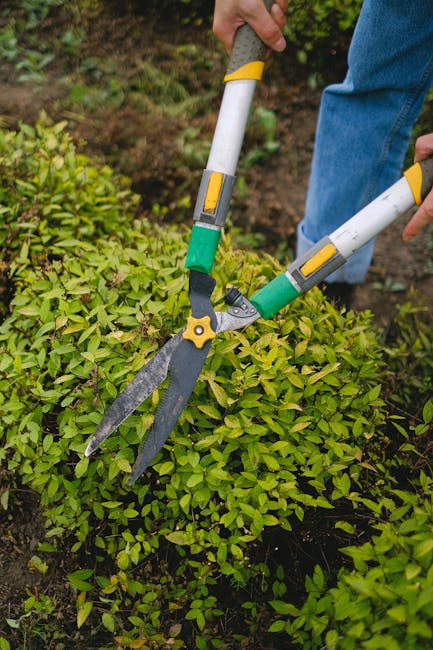
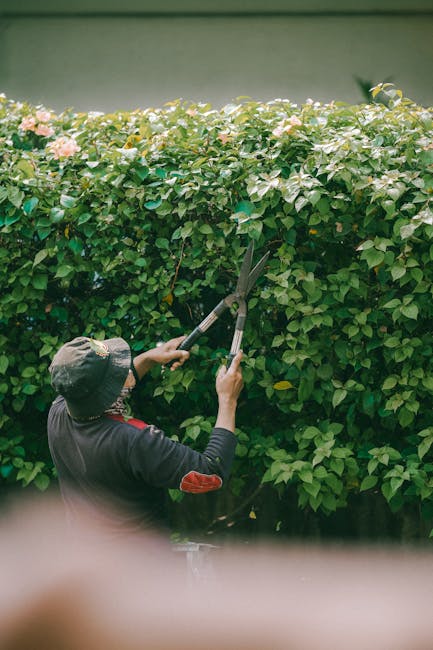
Trim hedges, edge paths, and reduce any growth that is blocking light or access. Do not just "shave the top" and call it done. Shape matters. Balanced trimming helps plants recover well and keeps the space looking intentional. For more detail, see hedge trimming in Alperton and hedge trimming artistry.
5. Refresh soil and mulch where needed
Healthy soil makes everything easier. Add compost to tired beds, top up mulch, and check whether container plants are drying out too quickly. If you want a clearer view of why this matters, composting and rich soil is a useful read.
6. Check watering habits
Water deeply enough for roots to benefit, but avoid constant light sprinkling. Containers especially need watching during warmer spells or windy weather. If you are managing pots and planters, container gardening and watering is highly relevant.
7. Inspect for stress, disease, and damage
Look for yellowing leaves, brittle stems, pest activity, mildew, or storm damage. If plants are exposed to harsh wind, it helps to think ahead rather than reacting after the fact. The guide on protecting plants against windy conditions gives a good sense of what to prioritise.
8. Finish with the hard surfaces
Patios, steps, decking, and paths often collect dirt, algae, and leaf stain. Cleaning them after the planting work makes the whole garden feel finished, not half-done. If you need a broader refresh, patio cleaning and decking services can be part of the plan.
Expert Tips for Better Results
After a while, you start noticing that the best-maintained gardens are not necessarily the ones with the most work done on them. They are the ones with consistent, thoughtful habits. A few things stand out in real life.
- Work from the edges inward. Tidying borders and paths first makes the whole space look better quickly, and it gives you a clearer view of what still needs attention.
- Choose plants that can take a bit of urban pressure. In exposed or busy areas, robust planting often performs better than delicate showpieces. For ground-level coverage, see ground cover plants suited to UK gardens.
- Trim little and often. This is especially true for hedges and shrubs. Regular shaping is kinder than one heavy chop in late summer.
- Use containers to test ideas. If you are not sure how a plant will behave, try it in a pot first. Easier to move, easier to replace, less drama. Gardening should not feel like a hostage situation.
- Protect soft planting before the weather turns. A quick check before a cold snap or windy spell can save a lot of damage. Winter prep is discussed well in crafting a winter sanctuary for your garden plants.
- Keep privacy planting under control. Tall hedges are useful, but they need regular height and width management or they become a job in themselves.
One more thing. If a task is repeatedly annoying you, that is often a sign the garden layout is fighting you. Sometimes the answer is not "try harder"; it is "change the setup a bit."
For example, shifting a few high-maintenance beds into a more manageable layout can make the whole garden easier to live with. If that sounds familiar, designing a garden lounge or zen garden inspirations may spark useful ideas.
Common Mistakes to Avoid
A lot of garden maintenance problems come from good intentions and slightly poor timing. That happens. Here are the usual culprits.
- Waiting too long between visits. A fortnight can turn into a month, and then weeds, hedge growth, and dead heading all pile up together.
- Overcutting shrubs and hedges. Cutting back too far can leave plants stressed or patchy. Slow and measured usually wins.
- Ignoring drainage. Waterlogged soil is easy to miss until plants start sulking. Check low spots after heavy rain.
- Using the wrong plant for the wrong place. Shade lovers in full sun, or thirsty plants in exposed spots, will always be a maintenance burden.
- Leaving ivy or climbers to get established unchecked. Once they grip masonry, fences, or sheds, removal becomes more time-consuming. The article on ivy removal tactics is the right starting point if that is already happening.
- Forgetting hardscape maintenance. A clean border next to a dirty patio still looks unfinished.
- Not planning for safety. Slippery paths, unstable branches, and hidden garden waste can all become hazards fast.
The big one, honestly, is treating maintenance like a one-off job instead of a routine. Gardens are living systems. They do not stay neat on goodwill alone.
Tools, Resources and Recommendations
You do not need a van full of equipment to keep a garden in good shape, but the right tools make a huge difference. If you are building a sensible kit, start with the basics and add only what you use regularly.
- Hand tools: secateurs, loppers, hand trowel, weeder, and a sturdy fork.
- Ground care: mower, edging tool, rake, and a hose or watering can depending on access.
- Cleanup gear: green waste bags, gloves, broom, and a bucket for small debris.
- Soil improvement: compost, mulch, and a simple soil conditioner if needed.
- Protection and safety: gloves, eye protection for pruning, and suitable footwear for wet surfaces.
If you want to work more efficiently, it helps to think in terms of jobs rather than objects. A good pruning cut means little if the hedge trimmings are left on the lawn. A clean patio means little if the borders are still overrun. The workflow matters.
For a broader overview of practical equipment, top tools for gardening is a helpful companion piece. And if you are considering a more comprehensive service route, garden maintenance support and lawn care are the obvious places to start.
For larger or more involved jobs, some gardeners also bring in support for lawn mowing, tree surgery, or fencing repairs. That is often the sensible move when a task is outside your comfort zone or beyond a normal weekend job.
Law, Compliance, Standards, or Best Practice
Garden maintenance is not heavily regulated in the way some trades are, but there are still important standards and responsibilities to keep in mind. You do not need to overcomplicate it, just be careful and sensible.
Safety first is the basic rule. If you are cutting branches, using powered tools, working at height, or clearing potentially slippery surfaces, the job should be planned with care. If you are hiring help, ask whether they have their own insurance and follow a clear health and safety process. That is not fussiness; it is normal due diligence.
Where property boundaries, shared access, or overhanging growth are involved, it is wise to keep communication clear with neighbours or landlords. If you are unsure about a tree, a boundary fence, or a large hedge, do not guess. Get proper advice before cutting. That avoids awkwardness later, which nobody enjoys.
For service expectations, best practice usually means:
- clear scope before work starts
- respect for property and access points
- safe handling of waste and debris
- careful use of tools and protective equipment
- honest communication if the job uncovers bigger issues
If you want to understand how a reputable provider approaches this side of the work, the pages on insurance and safety, health and safety policy, and terms and conditions are worth a look. They give a sense of the standards expected when work is carried out properly.
There are also the usual practicalities around booking, payment, and complaints handling. Not glamorous, but useful. A clear process tends to make everything smoother.
Options, Methods, or Comparison Table
Not every garden needs the same maintenance model. Some benefit from regular light-touch care. Others need a deeper reset and then a steady routine. Here is a simple comparison.
| Method | Best for | Pros | Limitations |
|---|---|---|---|
| Weekly light maintenance | Small gardens, tidy plots, busy households | Keeps jobs short, prevents build-up, easy to budget around | Can miss bigger structural issues if no periodic review is done |
| Seasonal maintenance visits | Established gardens with predictable growth | Good for pruning, soil care, and resets across the year | Can allow weeds or edging issues to creep in between visits |
| One-off restoration | Neglected or overgrown gardens | Big visual improvement, quick sense of progress | Needs follow-up or the garden slips back |
| Mixed approach | Gardens with both routine and problem areas | Flexible, realistic, often the best value | Requires a clear plan so nothing gets forgotten |
In many real-world gardens, the mixed approach wins. A little regular mowing, then a monthly check on hedges, borders, and hard surfaces. Not fancy. Just effective.
Case Study or Real-World Example
Here is a practical example from the sort of garden you often see near transport-linked residential streets: a narrow rear garden with a patchy lawn, a hedge running along one side, a few containers by the fence, and a patio that had gone dull from grime and leaf fall.
At first glance, it looked like a full redesign was needed. Truth be told, it did not. The main issue was neglect in a few key places. The approach was:
- clear the debris and old plant material
- weed the paving joints and border edges
- shape the hedge for light and access
- improve the soil in the planting beds with compost
- refresh the containers with weather-tough planting
- clean the patio so the space felt usable again
The difference was immediate. Not because the garden became "perfect", but because it became coherent. The lawn edge no longer wandered. The hedge stopped crowding the path. The patio looked like a place to sit rather than a place to avoid.
That is the main lesson, really. Good maintenance does not always mean adding more. Often, it means removing clutter, restoring shape, and giving the garden a bit of breathing room.
If you are working from a neglected starting point, the restoration articles on garden makeover planning and low-maintenance garden ideas can help you decide what to do first.
Practical Checklist
Use this checklist as a quick working routine. It is especially useful at the start of each month, or after a spell of windy or wet weather.
- Check for weeds in borders, paths, and between paving joints.
- Remove dead leaves, broken stems, and general debris.
- Trim hedges and shrubs before they become awkward to shape.
- Inspect lawns for thin patches, moss, or drainage trouble.
- Water containers and thirsty plants deeply rather than lightly.
- Refresh compost or mulch where the soil looks tired.
- Look for pests, mildew, or signs of disease.
- Clean patios, steps, and deck areas to reduce slipping and staining.
- Check fences, trellises, and supports for looseness.
- Review what needs seasonal attention next, not just what is visible today.
Quick rule: if a job takes two minutes now and two hours later, do the two minutes now.
Conclusion
A good garden near Alperton Station does not need to be complicated. It needs rhythm. A little weeding, a bit of pruning, a sensible watering plan, and attention to the hard surfaces that tie everything together. When that routine is in place, the garden becomes easier to enjoy and easier to maintain. That is the real win.
If you only remember one thing from this guide, let it be this: maintenance is not about chasing perfection. It is about keeping control, protecting your planting, and making the garden pleasant to use day after day. Small, consistent effort really does add up.
If you would like help turning a tired outdoor space into something more manageable and better looking, explore the supporting guides on garden care, hedges, lawns, and landscaping, or speak to a local specialist who understands the practical realities of London gardens.
Get a free quote today and see how much you can save.
And if you are standing in the garden later, tea in hand, and noticing it feels a bit calmer than before, that is the good stuff. That is what proper maintenance does.
Frequently Asked Questions
How often should a garden near Alperton Station be maintained?
For most gardens, a light weekly or fortnightly check works well, with seasonal pruning and deeper tidy-ups as needed. Busy or overgrown gardens usually benefit from more regular attention at first.
What is the most important part of garden maintenance?
Weeding, edging, and keeping growth under control usually make the biggest visible difference. After that, soil care and watering habits matter a great deal for long-term plant health.
Is this guide suitable for small urban gardens?
Yes. In fact, compact gardens often need the most structured maintenance because a few untidy spots can affect the whole space very quickly.
Do I need professional help for hedge trimming?
Not always, but if the hedge is tall, dense, or close to boundaries, professional help can save time and reduce the risk of uneven cutting or damage. The hedge trimming Alperton page is useful if that is your main concern.
What should I do first in a neglected garden?
Start with clearance: rubbish, dead material, weeds, and access routes. Once the space is visible and safe, you can assess what needs pruning, repairing, planting, or replacing.
Can maintenance improve privacy in a garden?
Yes. Regular hedge care, climber management, and the right screening plants can improve privacy without making the garden feel boxed in. It needs a balanced approach, though.
How do I know if my lawn needs more than mowing?
If the lawn is thin, patchy, mossy, or waterlogged, mowing alone will not solve it. That usually means soil improvement, feeding, scarifying, or targeted lawn care may be needed.
What garden jobs are best left to a specialist?
Tree work, major fence repairs, difficult overgrowth, and anything involving unsafe access are the obvious ones. If you are unsure, it is better to ask than to guess and regret it later.
How can I keep maintenance costs sensible?
Stick to a routine, fix small issues early, and avoid letting multiple jobs build up. A planned approach is usually cheaper than a rescue mission. Also, keep hard landscaping clean so it does not need heavy restoration later.
Does weather in West London affect maintenance schedules?
Yes, especially wind, sudden rain, and short dry spells. You will often need to shift watering, pruning, and cleaning around the weather rather than relying on a fixed calendar alone.
Can I combine garden maintenance with a bigger redesign?
Definitely. Many gardens improve most when routine maintenance is paired with selective landscaping. A tidy base makes redesign decisions clearer, and it helps new features settle in more successfully.
Where can I learn more about related garden services?
Useful starting points include gardening services, landscaping, and about us if you want to understand the wider support available. If you are ready to talk through a specific job, contact us is the natural next step.